History of Blown Glass Techniques and Creative Leisure
Blown glass techniques advanced as artisans mastered shaping molten glass with breath and skill, introducing free-blowing, mold-blowing, and lampworking over centuries. Modern workshops see artists producing unique forms in small batches, while technological limits keep some methods rare or expensive. Sessions often last several hours, and each piece can require up to ten tools. As appreciation for skilled craftsmanship rises, more people find themselves exploring creative outlets at home–sometimes filling quiet evenings by logging into sites that feature spinning reels, card tables, and streaming games with real hosts. The pull of these digital spaces now reaches those who once spent their time watching glass take shape in a studio, leading to new habits around bonus offers, deposits, and quick payouts:
- Free-blowing – air shapes glass without a mold, giving artists control over every curve and thickness.
- Mold-blowing – molten glass expands into fixed forms, making identical pieces possible for the first time.
- Lampworking – torches let makers create fine details for beads or miniatures in a home setup.
- Streaming games – real dealers host sessions online, blending live action with digital access from any room.
When evenings open up, the choice between hands-on creativity and digital interaction often hinges on mood and curiosity. Bonus features and live hosts can feel as novel as watching a vase emerge from the furnace.
As seasons shift or routines evolve, what feels inviting one week may take a back seat the next. With this openness, a reader who once sought novel moments with live hosts now finds that same spark fueling their experience of live sports betting. Many discover Fieryplay when they want to see how the odds move in real time. The sense of possibility remains, shaped by whatever captures attention tonight.
How did blown glass techniques evolve?

Molten glass transformed into vessels by blowing through a pipe reshaped everyday routines, letting artisans create lighter, more intricate containers and ornaments. This shift from shaped or cast glass opened new forms of expression. As people now select from countless online slots or chase a welcome bonus, the search for creative downtime echoes the spirit found in ancient workshops.
From ancient origins to modern artistry
Roman craftsmen introduced glass blowing as an efficient production method, allowing for thinner walls and more complex shapes. Mastery of this skill let artisans create distinct pieces for both practical uses and display, while also pushing decorative boundaries.
| Period or Technique | Primary Tools | Key Innovation | Common Products |
|---|---|---|---|
| Roman era (1st century BCE) | blowpipe, pontil rod | hollow vessels made quickly | small bottles, cups |
| Syrian workshops (late antiquity) | longer blowpipes, shears | mold shaping and trail decoration | patterned jugs, lamps |
| Venetian Renaissance | specialized furnaces, marver | crystal-clear glass, filigree work | goblets, mirrors |
| Industrial Europe (19th century) | mechanical presses, molds | mass production, uniformity | bottles, tableware |
| Contemporary studio movement | bench torch, annealer | individual artistry, lampworking | sculptures, art pieces |
Three or more blown glass objects from different centuries reveal the leaps in creativity and technique. With an evening free, many now unwind through online casinos, spinning slots or seeking live dealer tables as a new kind of interactive pastime.
Influence on creative pastimes today
Curiosity sparked by the intricate methods of blown glass often leaves people searching for hands-on ways to unwind or express themselves after work. This drive for creativity sometimes turns toward activities that combine tradition and novelty in unexpected spaces.
- Fuels interest in tactile crafts and homemade decor
- Encourages exploration of new skills outside a daily routine
- Inspires appreciation for artistry in everyday objects, including collectibles
- Provides a gateway to leisure platforms such as online casinos, where themed slot games and live dealer tables offer a different kind of interactive escape
- Can lead to hobby overload, with too many unfinished projects piling up
- Online casinos may introduce risk, especially if deposit limits or responsible play tools are ignored
- Distraction from in person social activities if digital pursuits dominate leisure time
A balanced approach offers the widest range of satisfaction, while constant switching between crafts and online casinos can drain both time and focus. Setting aside one evening for glass-inspired DIY and another for a round of blackjack or slots keeps interests fresh and commitments manageable.
Each leap in glassblowing brought fresh possibilities for both craft and daily use. The same urge to fill a free evening with something inventive now leads many to live tables, spinning reels, or the challenge of unlocking a payout before bedtime.
What makes each glassblowing method unique?
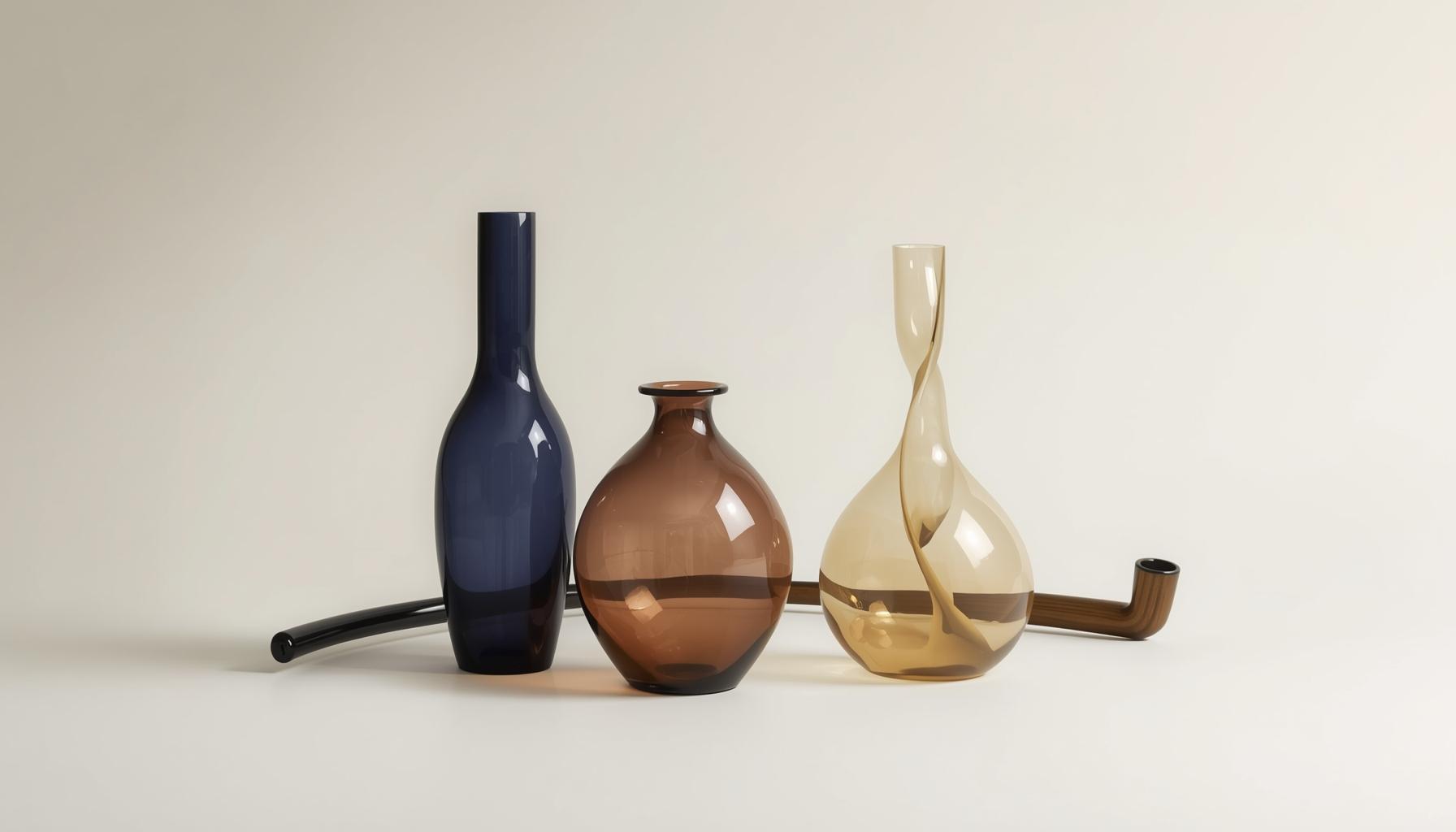
Mold blowing shapes molten glass with set patterns, while free blowing relies on skill to form unique pieces by hand. Each method produces distinct textures and contours, influencing the finished object's character and creative options.
Traditional glassblowing encourages precision and repetition, but lampworking lets artists experiment with color and small intricate designs. In contrast, freeform styles focus on improvisation, creating vessels that rarely look identical. Meanwhile, a person who spends time at home might shift from hands-on crafts to interactive pastimes such as exploring slots or live dealer games online.
After a session spent learning a new manual skill or experimenting with color in glass, some turn to the thrill of a progressive jackpot or compare bonuses offered for new deposits. The variety in both hobbies lets people choose between tactile creation and the anticipation of a digital payout, shaping how evenings are spent.
Why do some techniques remain rare?

Some glassblowing methods demand hand strength or breath control that only a few can manage. That limitation means fewer artists attempt multi-layered or large-scale forms, even though these attract attention for their complexity:
- Specialized tools or rare minerals must be sourced, increasing both cost and preparation time.
- Mastering enclosed shapes like double walls or intricate filigree often takes years, which discourages most beginners.
- Mistakes during rapid inflation or working with high temperatures can ruin hours of setup in seconds.
- Finishing details such as threading or embedded patterns require steady hands and near-perfect timing.
The rarest techniques often become a mark of status among collectors, making finished pieces more desirable but harder to access. After a day spent on creative projects, many people unwind by logging in for a round of slots, chasing free spin bonuses or exploring new payout tables–seeking a rush that echoes the excitement found in mastering a challenging craft.
Who can learn blown glass techniques at home?
Glassblowing at home demands special tools, safety measures, and a dedicated workspace, which limits who can realistically start. Many who crave hands-on creativity end up exploring options that fit their space and schedule. For some, the same evening that might have held a torch and glass instead features a round of blackjack or chasing a big slot jackpot online.
Practical barriers for beginners
Few homes can safely house a glassblowing setup because of open flames and the need for controlled ventilation. The risk increases if neighbors live nearby or if the only available workspace doubles as a kitchen or laundry area.
Professional glassblowing demands a torch that reaches temperatures higher than most household stoves. Even a compact bench torch needs special exhaust fans and fireproof surfaces. When hobbyists skip these, gas leaks or burns can shut down a project quickly. A single shard from a cracked piece can slice through gloves if the right protective gear is missing.
Space is a common challenge. Most apartments lack rooms that can be cleared of flammable objects or curious pets. Insurance policies may not cover accidental fires started by home studios. In contrast, playing a round of online blackjack or spinning a digital reel requires only a laptop and a secure payment method. Many people now fill their downtime with these interactive games, which offer instant access and no risk to the living room carpet.
Anyone without a fireproof workspace or industrial-grade exhaust should stick to supervised studios. Trying out a progressive jackpot or virtual table game in the evening can fill that creative urge with far fewer hazards.
Accessible creative alternatives online
Creative energy often turns to digital spaces when traditional crafts require equipment or dedicated space. While molten glass and furnaces remain out of reach for most households, new outlets have emerged that channel a similar sense of experimentation and reward:
- Select a video tutorial series that demonstrates basic glass-inspired crafts, such as faux stained glass or lampworking with a torch.
- Gather safe household materials–plastics, colored films, or polymer clays–to simulate glass effects in small projects.
- Share photos or progress clips in online maker forums, receiving feedback and tips from other hobbyists.
- Browse recreational sites where interactive games like themed slots or live dealer tables offer a different kind of creative engagement.
- Use free-play or demo modes to explore various game mechanics, tracking which features or bonuses hold attention for longer sessions.
Building a gallery of original craft projects brings a deeper sense of achievement than chasing a high payout on a flashy jackpot. Yet for some, spinning reels and discovering new live table games becomes a nightly ritual that fills the gap left by hands-on hobbies.
Access to traditional glassblowing remains restricted by cost and setup. Many fill that creative gap by turning to digital tables, chasing bonuses, or testing a new game with a live dealer.